Dairy Nutrition
Silage for Goats & Sheep: How Much to Feed
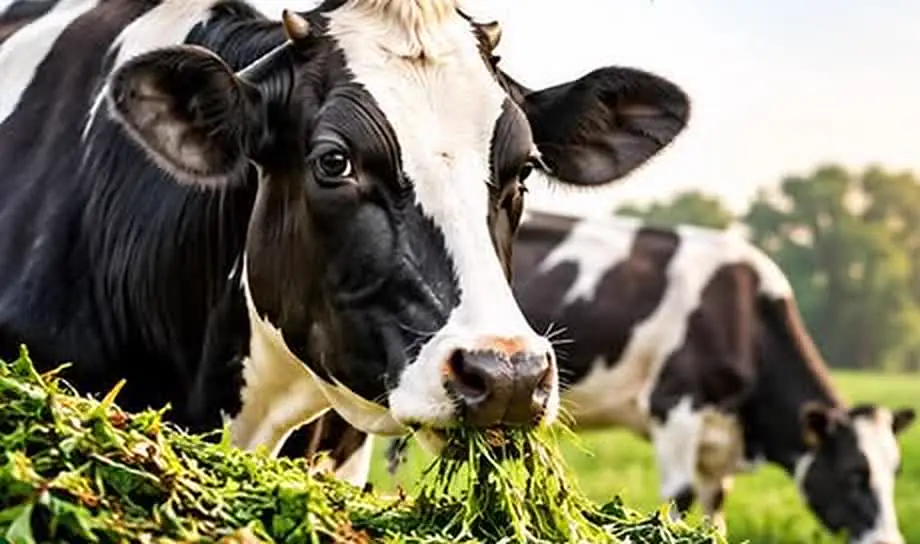
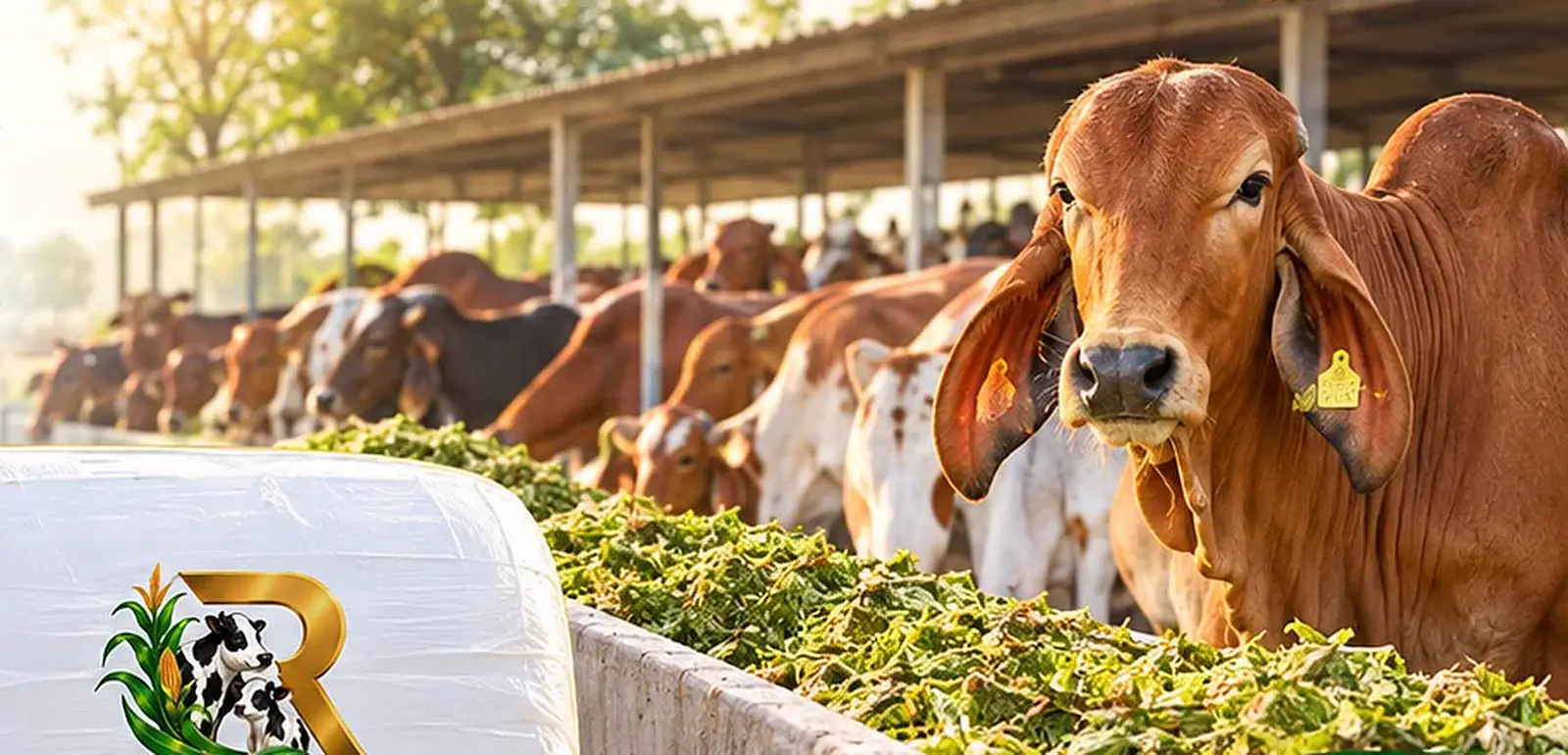
Goat farming is growing fast, and the same fodder gaps that hurt dairy farmers hurt goat farmers too: plenty of green fodder in the monsoon, very little in summer. Corn silage can fill that gap for goats and sheep, as long as two rules are followed: feed only good silage, and feed the right amount.
How much silage for a goat? An adult goat or sheep needs 1–3 kg of silage a day with about 0.5 kg of dry fodder and 200–300 g of concentrate. Milking does and fast-growing kids for sale sit at the top of the range; maintenance animals at the bottom. Add a mineral mixture made for goats and keep clean water available all day.
Start slowly. Goats are choosy eaters. Begin with a handful mixed into the usual green fodder or leaves, and increase over 7–10 days. Goats are browsers: they like variety, so keep some tree leaves, dry fodder or other roughage in the ration alongside silage.
Never feed spoiled silage to goats or sheep. This is the rule that matters most. Mouldy, slimy, hot or bad-smelling silage can carry harmful bacteria, and goats and sheep are more sensitive to it than cattle. Good silage smells pleasantly sour and looks light green to golden-brown. When in doubt, throw it out.
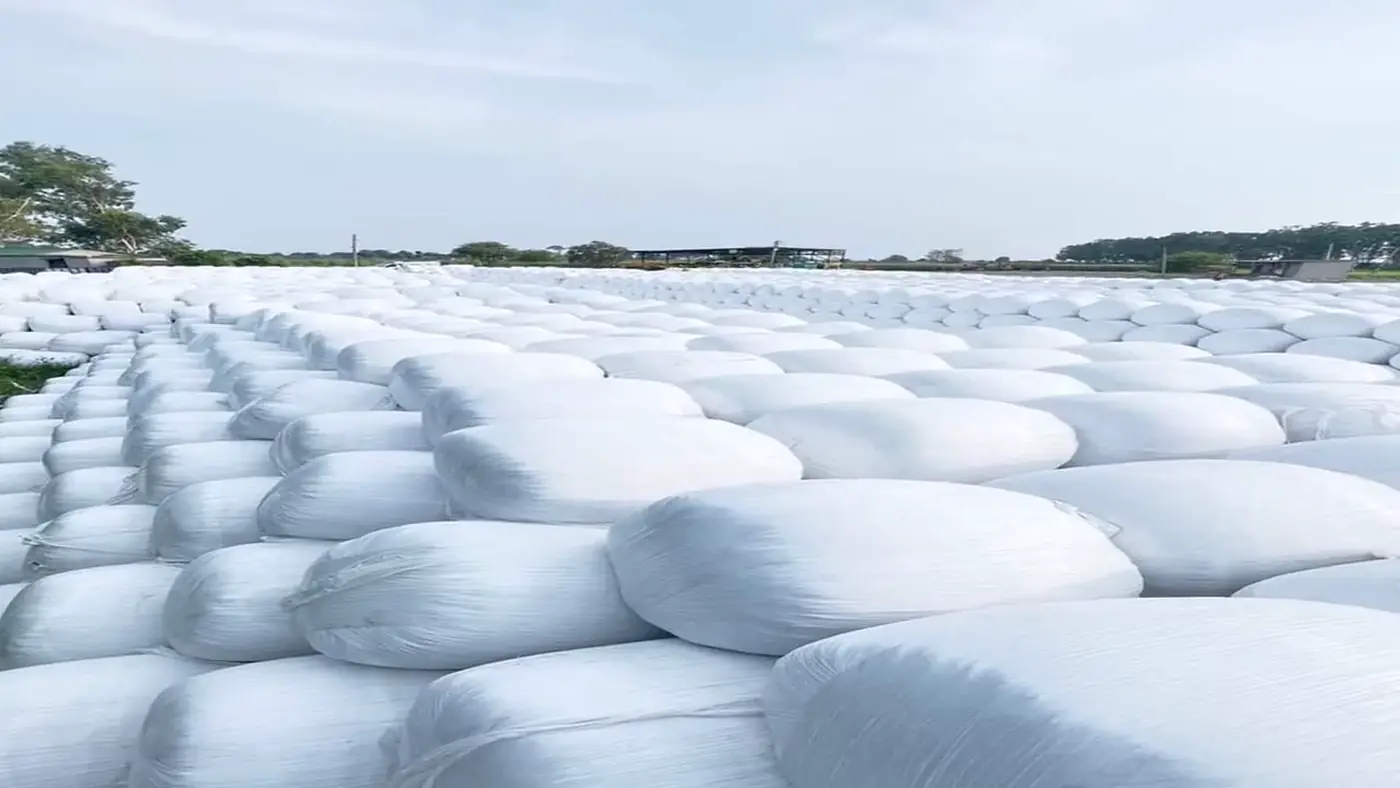
Choose small bales. An opened bale should be finished within 3–5 days. A flock eating 30–50 kg a day should buy 100 kg bales, not 400 kg bales, and keep the opened bale covered between feeds.
Why silage helps a goat farm. It gives the same quality feed every day of the year, saves the daily labour of cutting and carrying green fodder, and keeps body condition and milk steadier through the lean months, when goats otherwise lose weight.
Feeding tips. Feed silage in a clean trough, not on the ground. Remove leftovers within 12 hours in summer. Do not start silage on a sick animal or right after kidding; introduce one change at a time.
Running a goat farm and want a fodder plan? Send your flock size on WhatsApp and we will suggest the bale size and monthly quantity, with the delivered rate for your district.